

The latest watchOS 26 promises a fluid, AI-infused experience — but does it truly integrate better than Wear OS 6’s open ecosystem, or is it just repackaging iPhone loyalty? Let’s unpack the user flows, app libraries, and update pipelines in this 2026 showdown between Apple’s walled garden and Google’s Android playground.
Diving into these platforms? Grab the flagships: Check Price on Apple Watch Series 11 and Check Price on Samsung Galaxy Watch 8 or Google Pixel Watch 4.
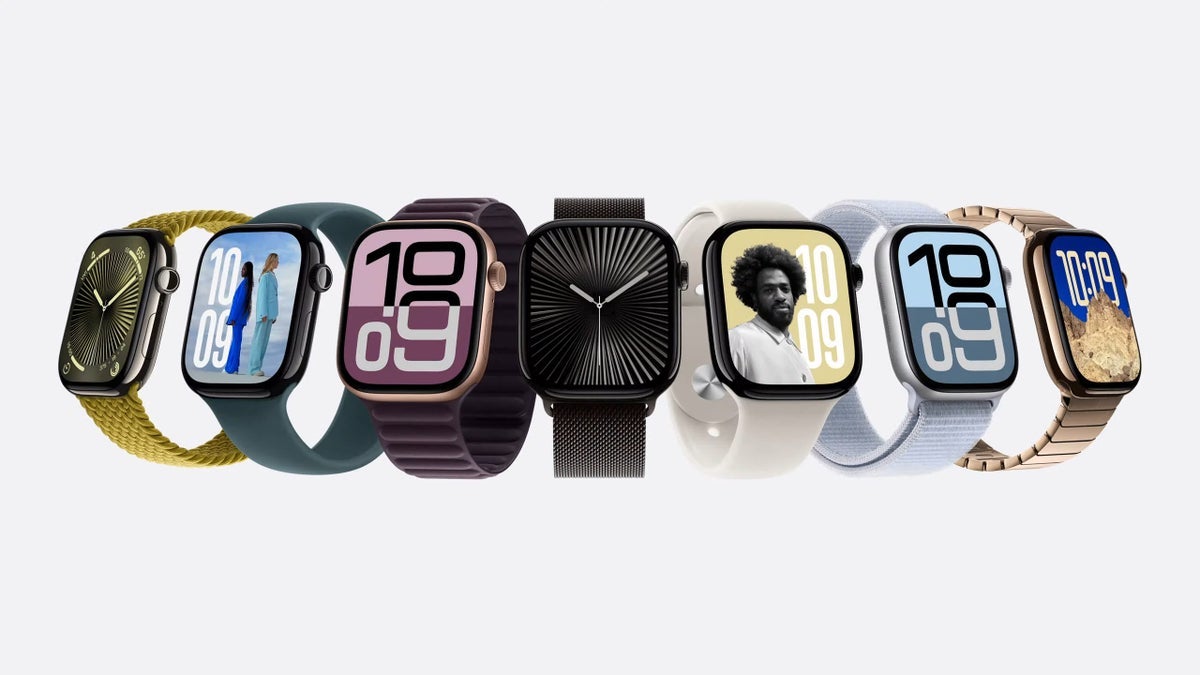
Apple Watch Series 12 release date expectations, price estimates and upgrades – PhoneArena
UI/UX Comparison
Imagine watchOS as a minimalist architect’s blueprint — clean lines, intuitive gestures, all flowing from your iPhone’s DNA. With watchOS 26, Apple introduces Liquid Glass design for smoother transitions and a wrist-flick to dismiss notifications, like waving off a persistent pop-up ad. It’s nerdy in its precision: Workout Buddy uses AI to pep-talk you mid-run, analyzing pace against history for that “you’re crushing it” vibe.
Wear OS 6, on the other hand, is like a customizable workshop — Google’s base with Samsung’s One UI tweaks for Galaxy watches or pure stock on Pixel. It emphasizes context-aware tiles and Gemini AI for proactive suggestions, such as transit overlays or quick replies. The UX feels more modular, with deeper personalization, but can occasionally lag on non-premium hardware compared to watchOS’s buttery smoothness.
| Aspect | watchOS 26 | Wear OS 6 |
|---|---|---|
| Design Philosophy | Seamless, gesture-heavy (wrist flick, double-tap) | Modular tiles, AI-driven personalization |
| Key Features | Liquid Glass UI, Workout Buddy AI coaching | Gemini integration, context-aware suggestions |
| Responsiveness | Optimized for Apple hardware — minimal lag | Varies by device; strong on Pixel/Samsung |
| Customization | Curated watch faces, limited depth | Extensive themes, third-party tweaks |
App Ecosystems
Think of app ecosystems as data libraries: watchOS pulls from Apple’s vast App Store, estimated at over 2 million total apps, with thousands optimized for watches — from fitness trackers to productivity tools synced via iCloud. It’s analytical heaven for privacy-focused users, with on-device processing keeping health data local. But it’s locked to Apple’s world, meaning no cross-platform surprises.
Wear OS taps into Google Play, where Wear-specific apps hover around 5,000 (excluding faces), focusing on integration with Google services like Maps, Assistant, and YouTube Music. It’s nerdier for developers, with easier third-party access, but the selection feels thinner — fewer specialized health apps compared to watchOS’s curated depth. Quality varies, though Samsung’s additions (like Bixby routines) add value on Galaxy devices.
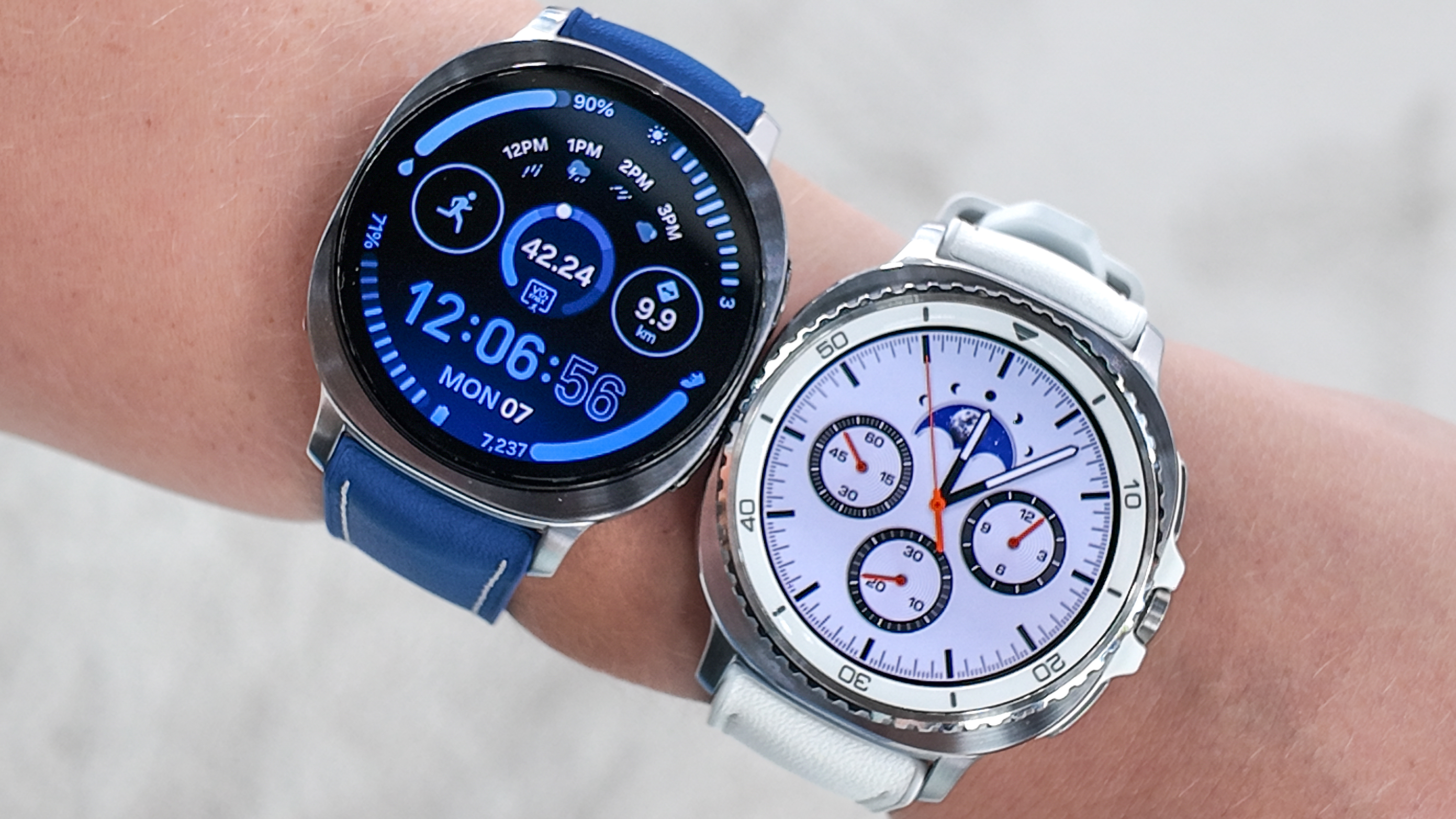
Best Samsung smartwatch: The Galaxy Watch 8 Classic is my top pick for 2026 | Tom’s Guide
| Ecosystem | watchOS | Wear OS |
|---|---|---|
| App Count (Est.) | Thousands watch-optimized (from 2M+ App Store) | ~5,000 Wear-specific on Play Store |
| Strengths | Privacy, seamless iOS sync, health focus | Google integration, developer flexibility |
| Weaknesses | Ecosystem lock-in | Sparser selection, variable quality |
| Standouts | Native ECG, Sleep Score | Gemini AI apps, broader media controls |
Integration with Phones
watchOS is like a neural link to iOS — requiring iPhone 11 or later with iOS 26, it mirrors notifications, Siri queries, and health data effortlessly. The flow is analytical: Vitals app aggregates sleep and heart metrics into iPhone Health for trend spotting, with no Android compatibility.
Wear OS thrives on Android 11+ synergy, especially with Pixel or Galaxy phones for features like AI coaching or camera controls. It’s more interoperable — some watches pair with iOS for basics — but shines in Google’s ecosystem, pulling from Fitbit for advanced fitness insights. The data flow feels expansive, like an open API versus watchOS’s secure vault.
| Integration | watchOS | Wear OS |
|---|---|---|
| Phone Compatibility | iOS only (iPhone 11+) | Android primary; limited iOS |
| Key Syncs | Health app, Siri, notifications | Google Assistant, Fitbit, media |
| Ecosystem Perks | Deep Apple Intelligence ties | Cross-device AI (e.g., Gemini) |
| Limitations | No Android support | Full features on Samsung/Pixel |
Updates & Long-Term Support
Updates are the longevity code: watchOS typically supports devices for 5-7 years, with watchOS 26 backing Series 4 and later — think security patches and new features like hypertension alerts rolling out reliably. Apple’s pipeline is predictable, tied to annual iOS cycles.
Wear OS varies by brand: Google promises 3 years for Pixel Watch 4, while Samsung offers 4 years for Galaxy Watch 8, including Wear OS versions and security. It’s more fragmented, with OTA policies allowing postpones or freezes, but Google’s trunk model ensures quarterly source drops for ecosystem stability.
![Pixel Watch 4 long-term review: Refined and fully realized [Video]](https://i0.wp.com/9to5google.com/wp-content/uploads/sites/4/2026/02/Pixel-Watch-4-45mm-design-and-details-5.jpg?resize=1200%2C628&quality=82&strip=all&ssl=1)
Pixel Watch 4 long-term review: Refined and fully realized [Video]
| Support | watchOS | Wear OS |
|---|---|---|
| Duration (Typical) | 5-7 years per model | 3-4 years (Google/Samsung) |
| Update Frequency | Annual major, regular patches | Quarterly source, device-specific |
| Policies | Tied to iOS, consistent | Customizable (postpone, freeze) |
| Latest Version | 26.3 (Feb 2026) | 6.x with Feb 2026 bulletins |
Final Recommendation by User Type
In 2026, neither ecosystem “wins” outright — it’s about your phone allegiance and priorities. For iPhone users craving seamless health insights and privacy, watchOS 26 delivers unmatched integration without the hype overload. Android loyalists get Wear OS 6’s flexibility and AI smarts, especially on Pixel for pure Google vibes or Galaxy for polished extras.
- Fitness Enthusiasts: Wear OS edges with deeper metrics like Energy Score, but watchOS’s AI coaching feels more motivational.
- Privacy Hawks: watchOS’s on-device processing wins.
- Budget or Casual Users: Wear OS offers more device variety.
- Power Users: If cross-platform matters, Wear OS; otherwise, stick to your ecosystem.
Ultimately, watchOS feels like a trusted analyst, while Wear OS is the experimental lab — choose based on your data needs.
Stay curious. — A.C.
