

The latest smartwatches boast “AI enhancements” — but do they genuinely adapt to your life, or just repackage basic tracking with fancy algorithms? Let’s unpack the models, data flows, and real-world impact in this head-to-head between Apple’s budget powerhouse and Samsung’s Android champ.
If you’re eyeing these for their smart features, start here: Check Price on Apple Watch SE 3 and Check Price on Samsung Galaxy Watch7.
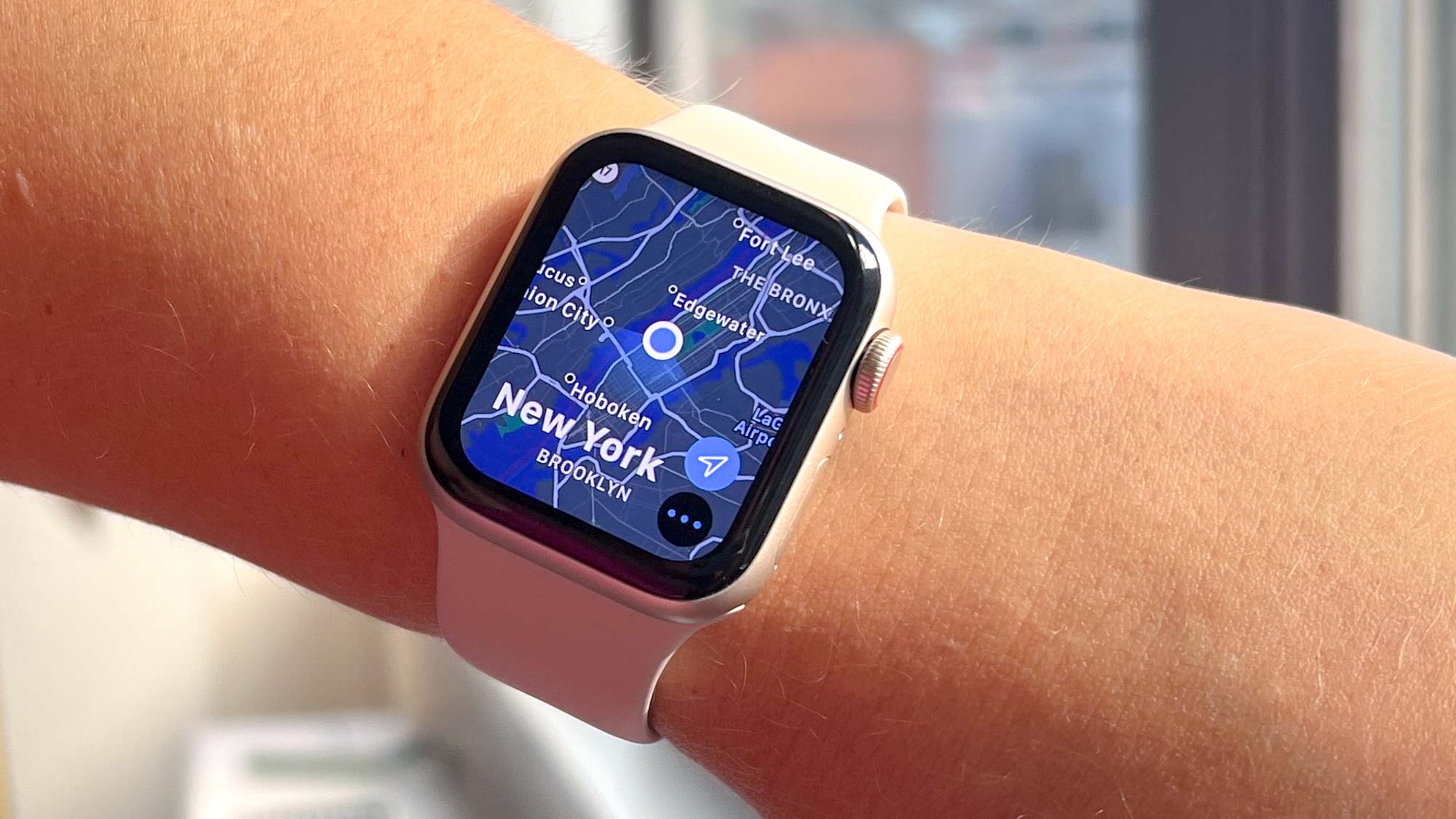
Apple Watch SE 3 — everything we know so far | Tom’s Guide
What “AI” Means on Wearables
Think of AI on smartwatches like a personal analyst sifting through your body’s data stream — not some sci-fi oracle, but a system using machine learning to spot patterns in heart rate, sleep, and activity. For the Apple Watch SE 3, running watchOS 26, AI ties into Apple Intelligence for contextual insights, like generating pep talks during workouts based on your history. It’s powered by the S10 chip’s Neural Engine, which handles on-device processing for privacy-focused tasks like health query responses via Siri.
Samsung’s Galaxy Watch7, on Wear OS 5, leans into Galaxy AI for synthesizing metrics into actionable scores. It crunches sleep, oxygen levels, and activity to output an Energy Score — essentially a daily readiness rating, like a fuel gauge for your body. Both avoid heavy cloud dependency, but Samsung’s feels more proactive in communication aids, like suggested text replies analyzed from conversation context.
| Feature | Apple Watch SE 3 | Samsung Galaxy Watch7 |
|---|---|---|
| Core AI Platform | Apple Intelligence (via watchOS 26) | Galaxy AI (via Wear OS 5) |
| Processing Chip | S10 with 4-core Neural Engine | Exynos W1000 |
| Key AI Focus | Workout coaching and health insights | Energy scoring and communication aids |
| Privacy Approach | On-device Siri for health queries | Local analysis for scores, with Samsung account integration |
Health Insights vs Raw Metrics
Raw metrics are the basics: steps counted, heart rate logged. AI elevates them into insights, like spotting trends that predict fatigue. The SE 3 shines with its Vitals app, aggregating overnight data (heart rate, respiratory rate, wrist temperature) into a sleep score and notifications for outliers — think of it as a dashboard alerting you if your body’s “engine” is running hot. It adds retrospective ovulation estimates and sleep apnea alerts, using AI to correlate temperature shifts with cycles.
Samsung counters with deeper bio-signal sensing: its BioActive sensor feeds Galaxy AI for advanced sleep analysis, including snoring detection and blood oxygen trends, culminating in that Energy Score. It’s like having a wellness consultant that factors in yesterday’s workout to gauge today’s vibe. Both provide more than numbers, but Samsung edges in holistic scoring, while Apple emphasizes anomaly detection.
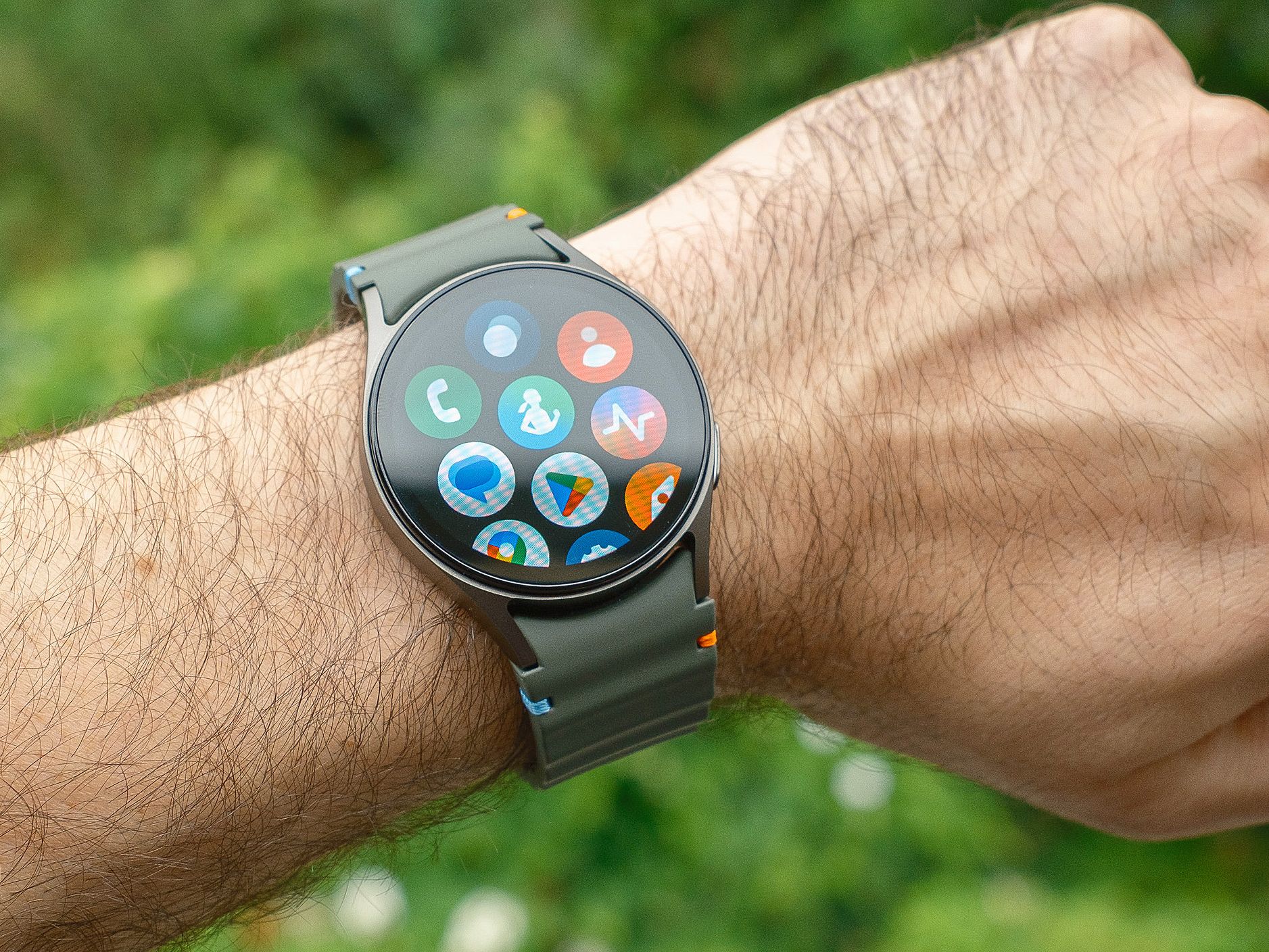
Samsung Galaxy Watch 7 review: impressive AI health tracking | Tom’s Guide
| Metric Type | Apple Watch SE 3 Insights | Samsung Galaxy Watch7 Insights |
|---|---|---|
| Sleep Tracking | Sleep score, apnea notifications, duration consistency | Energy Score integration, snoring, oxygen levels |
| Heart/Resp Rate | Vitals app outliers | Continuous monitoring with AI summaries |
| Temperature | Wrist sensing for ovulation, health trends | Skin temp in sleep/energy analysis |
| Overall Depth | Pattern-based alerts | Predictive readiness rating |
Predictive Features Breakdown
Here’s where hype meets reality: predictive AI forecasts based on patterns. Apple’s Workout Buddy is the star — an AI text-to-speech model that crafts encouragement like “You’re pacing better than last run,” drawing from your fitness history and trainer voices. It also enables custom run coaching, predicting progress needs.
Samsung’s predictive side includes Functional Threshold Power (FTP) estimation for cyclists, using heart rate to forecast endurance limits, plus workout comparisons that benchmark your current effort against past ones. Communication gets a boost with AI-suggested replies, predicting context from message threads. Apple’s feels more motivational; Samsung’s, analytical for performance tweaks.
| Predictive Feature | Apple Watch SE 3 | Samsung Galaxy Watch7 |
|---|---|---|
| Workout Guidance | Workout Buddy pep talks, custom runs | FTP estimation, performance comparisons |
| Health Predictions | Ovulation estimates, apnea risks | Energy Score for daily readiness |
| Other | Gesture controls (double tap) enhanced by AI | Suggested replies for texts |
Real Usefulness Scenarios
Imagine commuting: Apple’s SE 3 might ping you about irregular vitals post-sleepless night, while Samsung’s Energy Score could suggest skipping the gym. For runners, Apple’s AI coach motivates mid-stride; Samsung compares splits to predict if you’re improving. In meetings, Samsung’s reply suggestions save time, but Apple’s privacy edge (on-device processing) appeals if data security matters.
Both integrate with ecosystems — Apple with iPhone for seamless Siri, Samsung with Android for Galaxy AI continuity. Usefulness boils down to OS loyalty: iOS users get Apple’s intuitive insights; Android, Samsung’s scoring system.

Samsung Galaxy Watch 7 – Review 2024 – PCMag Middle East
Clear Conclusion: Gimmick vs Value
Much of the “AI” buzz is repackaged analytics — but both watches deliver value beyond gimmicks. Apple’s SE 3 offers motivational, privacy-focused AI at a bargain, ideal if you want coaching without overkill sensors. Samsung’s Galaxy Watch7 provides deeper predictive scoring and communication smarts, suiting data-driven users who crave holistic overviews.
If ecosystem lock-in isn’t an issue, Samsung wins for versatility; otherwise, Apple’s seamless integration edges it. Neither revolutionizes wearables, but they make raw data meaningfully actionable. Choose based on what “matters” to you: motivation or metrics.
Stay curious. — A.C.
