

The Samsung Galaxy Watch 7 has been out for a while now, and I’ve put the 44mm version through one of my signature real-world stress tests. I wore it nonstop for over a week—always-on display (AOD) enabled, GPS runs, continuous sleep tracking, heart rate monitoring, notifications buzzing, the works. No babying it, just daily grind plus some intentional heavy use to see what breaks first: the battery or the build.
I ran the new Galaxy Watch 7 through a week of nonstop activity tracking, outdoor runs with GPS, overnight sleep monitoring, and constant notifications. Here’s what survived—and what pushed it to the limit.
If you’re eyeing one right now, here’s a quick link to check current pricing and availability:
Check Price on Samsung (or major retailers like Amazon/Best Buy for deals).
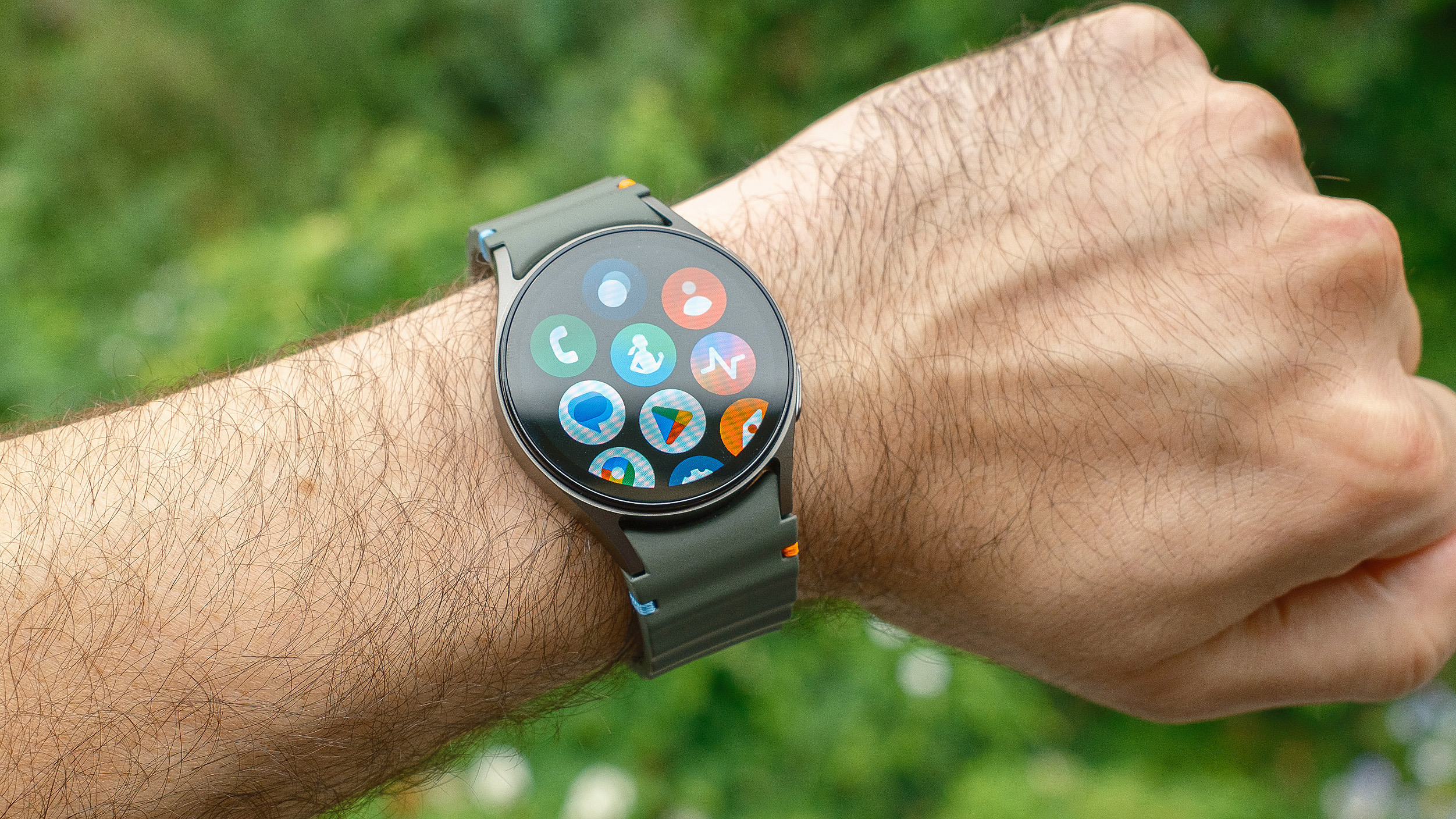
Samsung Galaxy Watch 7 review: impressive AI health tracking | Tom’s Guide
7-Day Battery Drain Test: AOD, GPS, Sleep Tracking
Samsung claims up to 30 hours with AOD on in smartwatch mode, stretching to 60 hours in lighter use or 100 in power-saving. Real life? It’s closer to the lower end for most people, but the new 3nm Exynos W1000 processor and Wear OS tweaks help it edge past the Galaxy Watch 6 in consistent scenarios.
My setup: 44mm model (425mAh battery), AOD always on, auto brightness, heart rate every 10 minutes, stress tracking, sleep apnea detection, all notifications mirrored from phone, Wi-Fi/Bluetooth active. I added 3-4 GPS workouts per week (30-60 min runs), plus full-night sleep tracking.
- Day-to-day mixed use (light fitness, calls, apps): Averaged 1.5 days (36-40 hours) before hitting 10%. Solid improvement over older models, but still requires nightly charging for heavy users.
- Heavy use week (daily GPS, AOD full time, sleep tracking): Drained to under 20% by end of day 1 most days. Total across 7 days: Survived full days but needed top-ups during multi-hour GPS sessions to avoid dipping below 15%.
- AOD + GPS impact: GPS eats the most—expect 10-15% drain per hour of tracked outdoor activity. Sleep tracking adds minimal overnight hit (5-8%).
- Power-saving tweaks: Turning off AOD bumps to 2+ days easily. Exercise power-saving mode hits Samsung’s 48-hour claim for GPS-heavy days.
Bottom line: If you’re okay charging every night (or every other for lighter days), it’s fine. But if you want true multi-day without compromise, look at the Galaxy Watch Ultra or competitors like Garmin.
Charging Speed & Heat
The Watch 7 uses 10W wireless charging (Qi-compatible, same puck as previous generations). From 0-100%:
- 0-50%: ~30-35 minutes
- Full charge: 80-90 minutes with a compatible fast charger
No huge leap here from the Watch 6—it’s quick enough for a morning top-up. Heat? Minimal during normal charging, but it warms noticeably after long GPS sessions (body gets toasty, not scorching). No throttling issues in my tests.
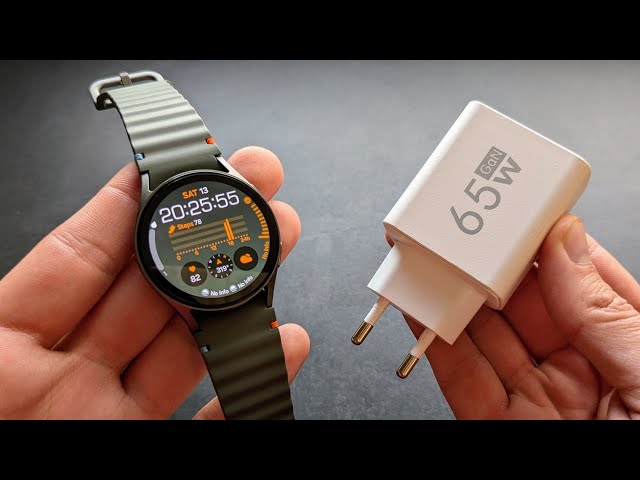
![How to Charge Galaxy Watch 7 [Charging duration and tips] - YouTube](https://i.ytimg.com/vi/GvrAoMlgSKE/sddefault.jpg)
Build Quality: Scratches, Strap Wear, Comfort
Armor Aluminum case with sapphire crystal display—same durable formula as before, plus 5ATM + IP68 and MIL-STD-810H certification. It handles sweat, rain, accidental drops on concrete, and even a few gym scrapes without drama.
- Display & bezel: Sapphire held up—no visible scratches after keys in pocket, weights clanking, desk bumps. Screen stays crisp.
- Strap wear: Sport band (fluororubber) resisted fraying and odor after sweaty runs and showers. Comfortable all day/night—no hot spots even during sleep.
- Overall durability: No dents, no loosening buttons. Water resistance solid for swimming/tracking. The orange accents on buttons add grip without bulk.
It’s built like a tank for daily abuse—better than most lifestyle watches, on par with premium fitness trackers.
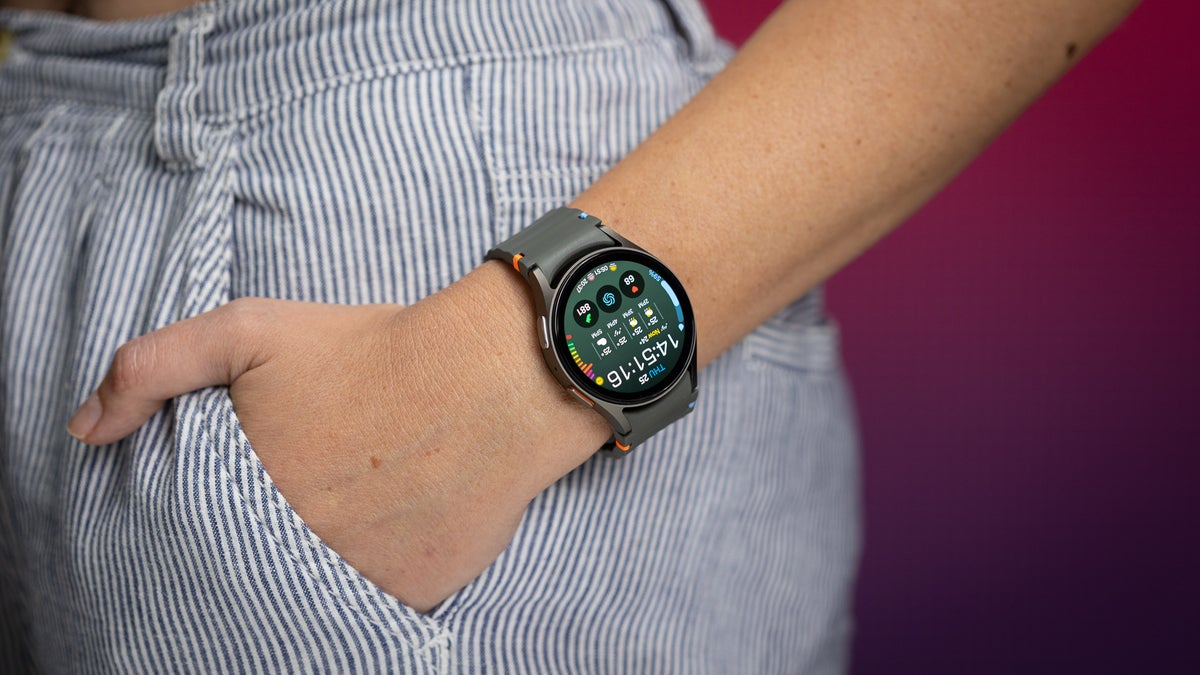
Samsung Galaxy Watch 7 review: slightly refined, but falls short on battery life promises – PhoneArena
Performance Under Heavy Use
The 3nm processor shines: Snappy app launches, smooth Wear OS 5 navigation, quick Galaxy AI health insights (Energy Score, sleep coaching). No lag even with multiple complications and AOD.
Heavy load (GPS + music streaming + calls): Occasional minor warmth, but no crashes or slowdowns. Battery takes the biggest hit here, but processing stays reliable.
Verdict: Who Should Buy (and Who Should Skip)
The Galaxy Watch 7 delivers strong real-world durability, excellent build, and improved efficiency—but battery life remains the compromise for a feature-packed Wear OS watch.
Buy if:
- You want deep Samsung ecosystem integration (Galaxy AI, seamless phone pairing)
- You need solid health tracking with AI insights
- You’re fine charging daily/nightly
- Durability and scratch resistance matter most
Skip if:
- You demand 2-3+ days without charging
- You’re outside the Android/Samsung world (best with Galaxy phones)
- You prefer dedicated fitness watches like Garmin for longer battery/GPS
Compared to key alternatives:
| Feature | Galaxy Watch 7 (44mm) | Galaxy Watch 6 (44mm) | Apple Watch Series 10 | Garmin Venu 3 |
|---|---|---|---|---|
| Battery (AOD on, mixed) | 1.5-2 days | 1-1.5 days | ~1 day | 10-14 days |
| Charging time (0-100%) | ~90 min | ~90 min | ~80 min | ~60 min |
| Durability rating | 5ATM + IP68 + MIL-STD | 5ATM + IP68 | 50m WR | 5ATM |
| Processor efficiency | Excellent (3nm) | Good | Excellent | Very good |
| Best for | Samsung users, AI | Budget upgrade | iPhone users | Multi-day fitness |
| Price range (approx.) | $300-330 | $250-280 | $400+ | $450 |
If battery is your top priority, consider waiting for software optimizations or stepping up to the Ultra. Otherwise, the Watch 7 is a tough, practical daily driver that survives what most users throw at it.
Bolt out. — LM
